02 Jul 2026
❄️Cool down your home with domestic air conditioning installation from BHE
Stay cool and comfortable during warmer months with domestic air conditioning installation by BHE’s trusted engineers in Wigan and Leigh. ...
Read more
Independent & reliable heating & plumbing since 1971

27 Apr 2026
LPG, or Liquefied Petroleum Gas, is widely used as a fuel in many situations where there is no mains gas supply, or to supplement this in appliances which often only see temporary use, such as portable heaters.
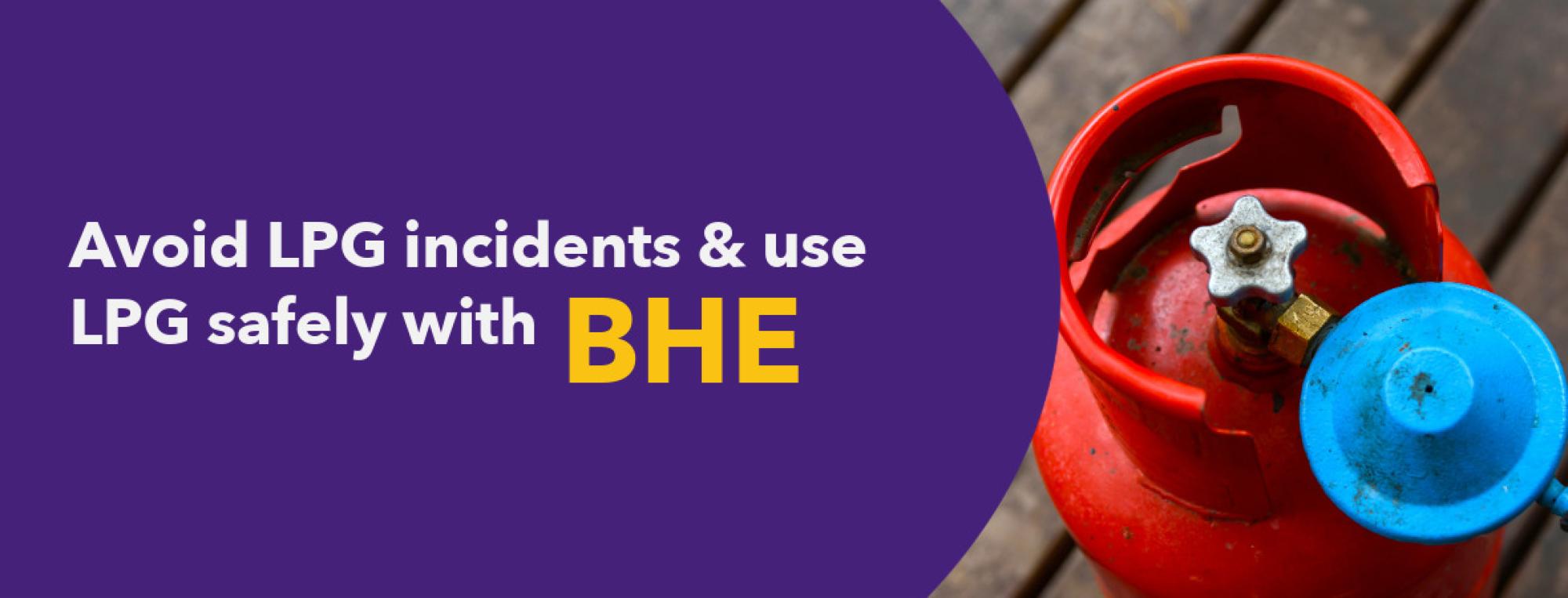
Avoid LPG incidents & use LPG safely with BHE's expert engineers in Lancaster & Morecambe
However, because it is often stored under high pressure, and in canisters which can be damaged if they aren’t handled with the proper care, it’s important to know how to safely handle LPG cylinders and containers, and how to safely connect them to your LPG appliances.
Read on to learn how to safely handle and use LPG equipment, and who to contact if you have any concerns.
Under normal conditions, LPG is a gas, but it is stored in cylinders under pressure as a liquid. LPG is no longer limited to conventional petroleum-based sources. Renewable alternatives are also being used and tested for more sustainable, lower-emission fuel production and use than traditional fuel sources.
LPG is used as a fuel in a range of household gas cooking and central heating appliances, including portable heaters, camping cooking equipment and appliances such as patio heaters and barbecues.
LPG is pressurised to allow it to be transported and stored in portable cylinders, which changes it into a liquid and means large amounts can be carried in relatively small containers.
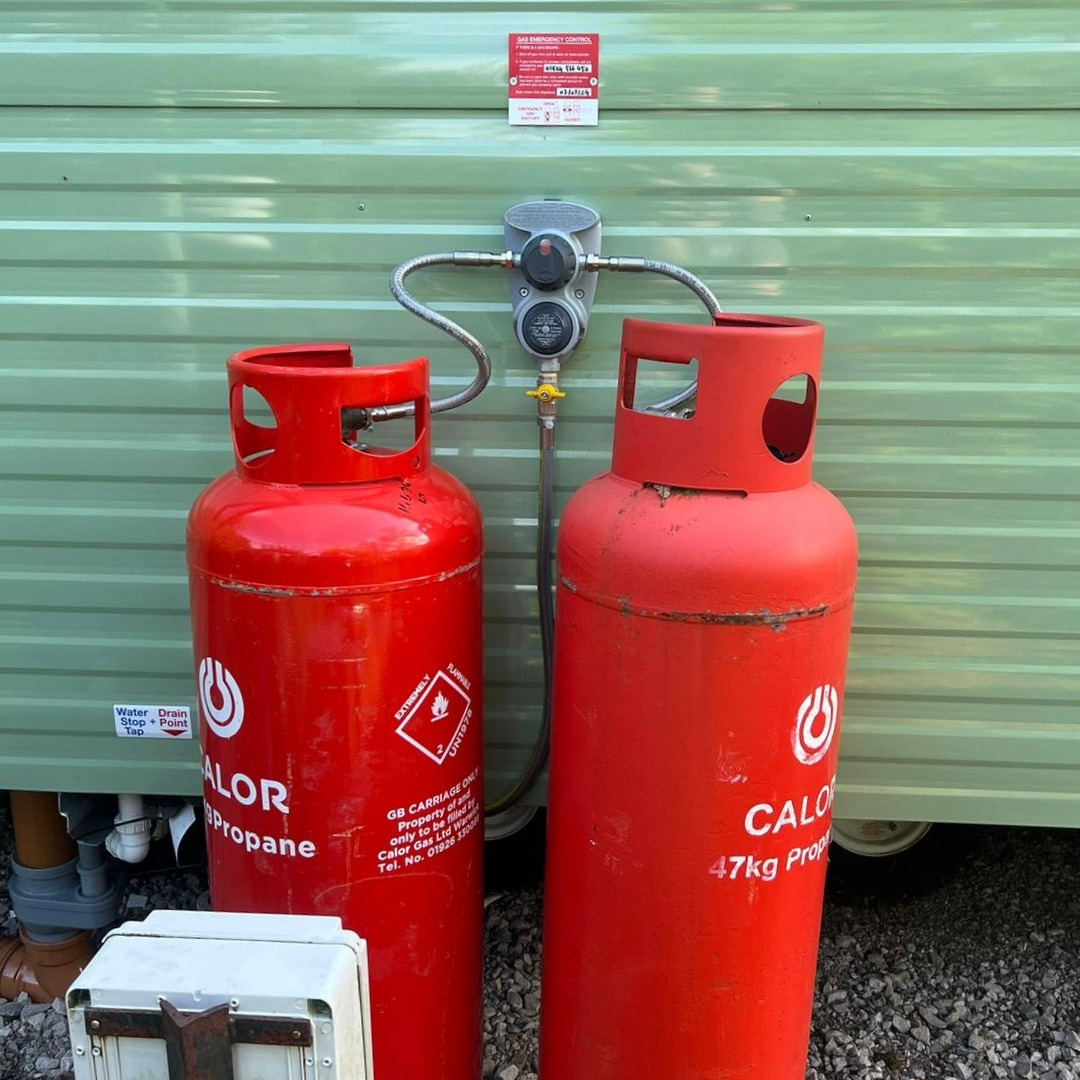
Two propane gas cylinders installed by BHE's Gas Safe Registered engineers, providing heating and cooking at a holiday home in Ambleside
LPG is colourless and does not have any natural odour, but the fact that it is often used in hazardous situations means that it often has an agent added during its production to give it a pungent smell.
It is highly flammable and, if leaked, LPG can linger in poorly ventilated areas. LPG is also lighter than water and will float on the top of it, meaning that LPG must be stored well away from drains.
It’s also vital to store LPG in areas which are as cool as possible, as the pressure the gas exerts on any vessel in which it’s stored rises along with the temperature of the liquid itself. All LPG equipment must be kept away from other external heat sources.
LPG can attack and perish natural rubber and some types of plastic, so all hoses used in an appliance powered by LPG must be made from materials certified as safe for the purpose.
Finally, LPG produces much more heat than natural gas, so you should only use it in appliances which are designed and made to be used with this specific type of fuel.
Provided you are using the fuel in accordance with the above guidelines, you should have no issues with LPG equipment in normal use.
However, you should not use LPG in the following circumstances:
In either of these circumstances, you shouldn’t try to fix the appliance, or interfere with any of the connections to the LPG gas supply. Instead, just call BHE, your local Gas Safe Registered engineers covering Lancaster, Morecambe, and all surrounding areas, as well as the Wigan and Leigh areas of Greater Manchester.
LPG equipment is used all year round, but is very commonly found in caravans and holiday homes. So, whether you’re a caravan or holiday home owner, or are taking a break in the Lancaster and Morecambe areas this year, keep BHE’s details to hand, so you can get reliable, proven advice, and help from a Gas Safe Registered engineer qualified to handle LPG gas supplies, appliances and equipment should you have any concerns.
BHE’s team of gas engineers in Wigan, Leigh, Lancaster and Morecambe has over 50 years’ experience in caring for gas appliances, equipment and heating supplies in homes and holiday homes with outstanding customer service.
Fully trained and accredited to work with LPG supplies, our engineers professionally service, repair and care for LPG heating and other systems across the North West.
Access on-the-spot help and advice from our LPG engineer team to safely protect your home or holiday home with professional LPG gas safety expertise that’s trusted by hundreds of North West homeowners and investors.
02 Jul 2026
Stay cool and comfortable during warmer months with domestic air conditioning installation by BHE’s trusted engineers in Wigan and Leigh. ...
13 May 2026
With summer quickly approaching, having a reliable water supply outside is essential for the average UK household, especially if you're somebody who loves to enjoy and maintain their garden....
27 Apr 2026
LPG, or Liquefied Petroleum Gas, is widely used as a fuel in many situations where there is no mains gas supply, or to supplement this in appliances which often only see temporary use, such as portabl...
2026© B.H.E. SERVICES (BOLTON) LIMITED. Privacy Policy | Cookie Policy | Website Terms of Use | Sitemap
